




Climbing chalk doesn't come with an expiry date, but it can absolutely go bad. Powder chalk that's been sitting in a humid gym bag for months performs differently from fresh chalk — and liquid chalk has a shelf life that most climbers don't think about until it stops working properly.
This article covers how chalk degrades, what the signs are, and how to store it so it lasts.
Does Powder Chalk Expire?

Technically no — magnesium carbonate doesn't have a chemical expiry date. It won't become toxic or unsafe to use. But its performance degrades significantly when it absorbs moisture, which happens faster than most climbers expect, especially in Singapore's humidity.
Fresh powder chalk is fine, dry, and spreads evenly. Chalk that has absorbed moisture starts to clump. Mildly clumped chalk can be broken up and still performs reasonably well. Heavily clumped chalk — where the powder has hardened into solid chunks throughout the bag — has already absorbed so much moisture that its ability to absorb sweat from your skin is significantly reduced. You're essentially using pre-saturated chalk, which defeats the purpose.
The other issue is texture. Chalk that has partially clumped and then dried again develops an uneven consistency — fine powder mixed with hard fragments — that distributes inconsistently across the skin. You end up with patchy coverage rather than an even layer, which means patchy friction.
Does Liquid Chalk Expire?
Yes, more concretely than powder. Liquid chalk has two components that can degrade: the alcohol and the chalk suspension.
Alcohol evaporates over time, especially if the cap isn't sealed properly between uses. As the alcohol content drops, liquid chalk takes longer to dry, spreads less evenly, and loses the drying effect that makes it effective in humid conditions. A bottle that's been left open or loosely capped for weeks will feel noticeably wetter on application and take longer to set than a fresh bottle.
The chalk suspension can also separate if the bottle is left undisturbed for a long period — the chalk settles to the bottom and the alcohol pools on top. This is normal and doesn't mean the chalk has gone bad; shaking the bottle before use redistributes the suspension. If shaking doesn't fully recombine the contents, or if the chalk has solidified at the bottom, the product has degraded and should be replaced.
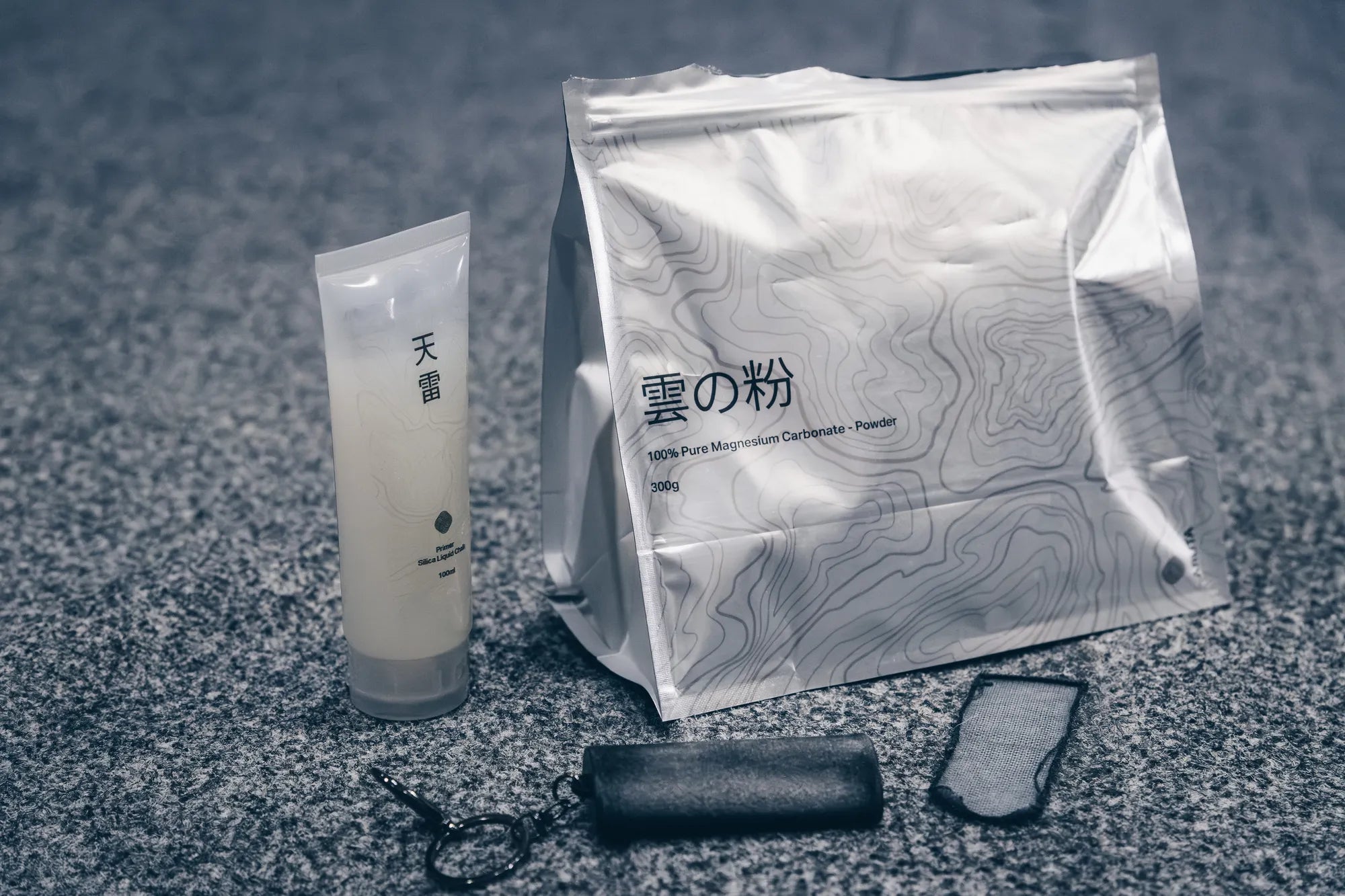
For silica-based liquid chalk like Thunder, the silica component is stable and doesn't degrade on its own — the main variable is still the alcohol content and suspension consistency. Keep the cap closed between uses and store at room temperature.
How Humidity Accelerates Degradation
In Singapore's climate, chalk degrades faster than the packaging or most storage advice suggests. Humidity affects powder chalk most directly — open bags left on a gym mat or in a ventilated chalk bag absorb ambient moisture continuously. A bag of powder chalk that would last months in a dry climate might noticeably clump within weeks in a humid gym if not stored properly.
Liquid chalk is less affected by ambient humidity since it's sealed, but temperature matters. Warm storage accelerates alcohol evaporation through the cap seal over time. Leaving a bottle in a hot gym bag or a car in direct sunlight repeatedly shortens its effective shelf life.
This is worth keeping in mind when buying in bulk. Buying larger quantities makes sense economically, but only if you can store chalk properly. A 300g bag of Kumo stored correctly will outlast the same amount stored carelessly by a significant margin. For context on how humidity affects chalk performance in real time during a session, see why chalk stops working mid-session.
How to Store Chalk Properly
Powder chalk: keep it in an airtight container or resealable bag when not in use. The original packaging is usually resealable — use it. Don't leave bags open in your gym bag between sessions. If you use a chalk bag that stays open during sessions, consider transferring only a session's worth of chalk into it rather than storing the full supply there.
For bulk storage, a dry airtight container — a glass jar or a sealed plastic container — works well. Keep it away from direct sunlight and heat. In Singapore, storing chalk in an air-conditioned room rather than a warm storage cupboard makes a real difference.
Liquid chalk: always close the cap fully after use. Store upright at room temperature. Shake before each use to redistribute the suspension. Don't leave it in a bag in direct sunlight or a hot car.
Chalk balls: store in a zip-lock bag or airtight container between sessions. Chalk balls are particularly susceptible to moisture absorption because the mesh allows air circulation — fine during a session, but a liability in a humid gym bag over time.
Signs Your Chalk Has Gone Bad
- Powder chalk: solid clumps that don't break up easily, greasy or waxy texture, chalk that feels wet on application even in a dry environment
- Liquid chalk: takes significantly longer than usual to dry, feels persistently wet rather than setting to a dry layer, chalk has solidified at the bottom of the bottle and won't redistribute when shaken
- Both formats: noticeably worse grip performance than usual when session conditions haven't changed — if chalk that normally works stops working and you haven't changed your habits, the chalk itself may be the issue
Can You Revive Degraded Chalk?
Mildly clumped powder chalk can be spread on a dry surface and broken up, then left in a dry environment for a few hours to release some of the absorbed moisture. It won't fully recover to the performance of fresh chalk, but it's usable. Heavily clumped chalk that has hardened throughout is not worth reviving — replace it.
Liquid chalk with separated suspension can usually be revived by shaking. If the chalk has solidified at the bottom and won't redistribute, it's gone and should be replaced. Partially evaporated liquid chalk — where the bottle feels noticeably less full than expected — can't have the alcohol content restored and will underperform.
Key Takeaways
- Powder chalk doesn't chemically expire but degrades in performance as it absorbs moisture
- Liquid chalk degrades as alcohol evaporates — keep the cap closed and store at room temperature
- Humidity accelerates degradation for both formats; proper storage matters more in Singapore than in dry climates
- Store powder chalk in an airtight container; shake liquid chalk before each use
- If chalk that normally works has stopped working and nothing else has changed, the chalk itself may be the problem



Share:
Chalk Bag vs Chalk Ball vs Loose Chalk — Which Should You Use?
How to Choose Climbing Chalk for Your Skin Type