



Our Journal
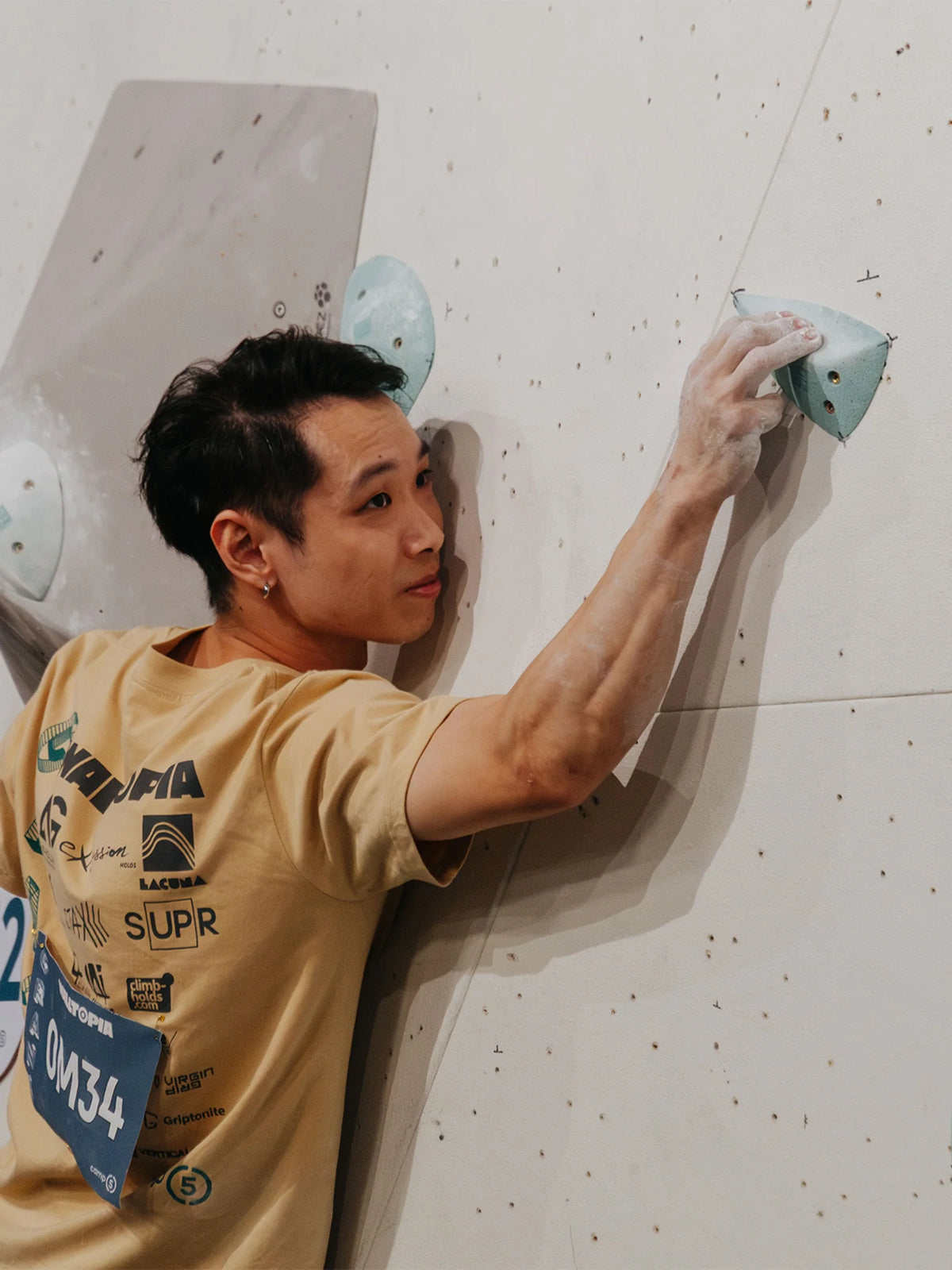
Progress & Plateau — Why Climbing Isn't Linear (And Why That's Okay)
One week you're flying, the next nothing works. A plateau isn't a sign you've stopped improving. It's a mirror showing you where to climb smarter.
Read moreabout Progress & Plateau — Why Climbing Isn't Linear (And Why That's Okay)

Climbing Is About Having Fun — Not Just Chasing Progress
Somewhere along the way, climbing can turn into a scoreboard. Here's why fun isn't a distraction from progress — it's how progress actually happens.
Read moreabout Climbing Is About Having Fun — Not Just Chasing Progress

Should Climbers Eat Light to Climb Better?
There's a persistent idea that lighter climbers perform better. Here's why that's more complicated than it sounds, and why technique matters far more than body weight for most climbers.

Why Hydration Matters More in Humid Gyms
Humidity slows sweat evaporation, so your body sweats more just to cool down. Here's why hydration matters more in Singapore gyms, and practical habits to stay ahead of it.

What to Eat Before a Climbing Session
Show up too full and you feel sluggish; too empty and you run out of energy early. Here's practical guidance on what and when to eat before a climbing session.

The Complete Guide to Climbing Training for Beginners
Most beginner climbing injuries happen because enthusiasm outpaces tendon adaptation. This complete guide covers how to train sustainably in your first year — structure, strength, recovery, and more.
Read moreabout The Complete Guide to Climbing Training for Beginners

How to Track Your Climbing Progress as a Beginner
Progress in bouldering doesn't move in a straight line. Here's what's actually worth tracking beyond grades, and how to read your own progress accurately over time.
Read moreabout How to Track Your Climbing Progress as a Beginner

Rest and Recovery: How Much Do Climbers Actually Need?
Under-resting is one of the fastest ways to stall progress or get injured. Here's what's happening during recovery, how much beginners actually need, and how to spot when you're not getting enough.
Read moreabout Rest and Recovery: How Much Do Climbers Actually Need?

Recognising and Preventing Common Beginner Climbing Injuries
Most beginner climbing injuries trace back to enthusiasm outpacing tendon adaptation. Here's how to recognise the most common ones early — and how to prevent them in the first place.
Read moreabout Recognising and Preventing Common Beginner Climbing Injuries