



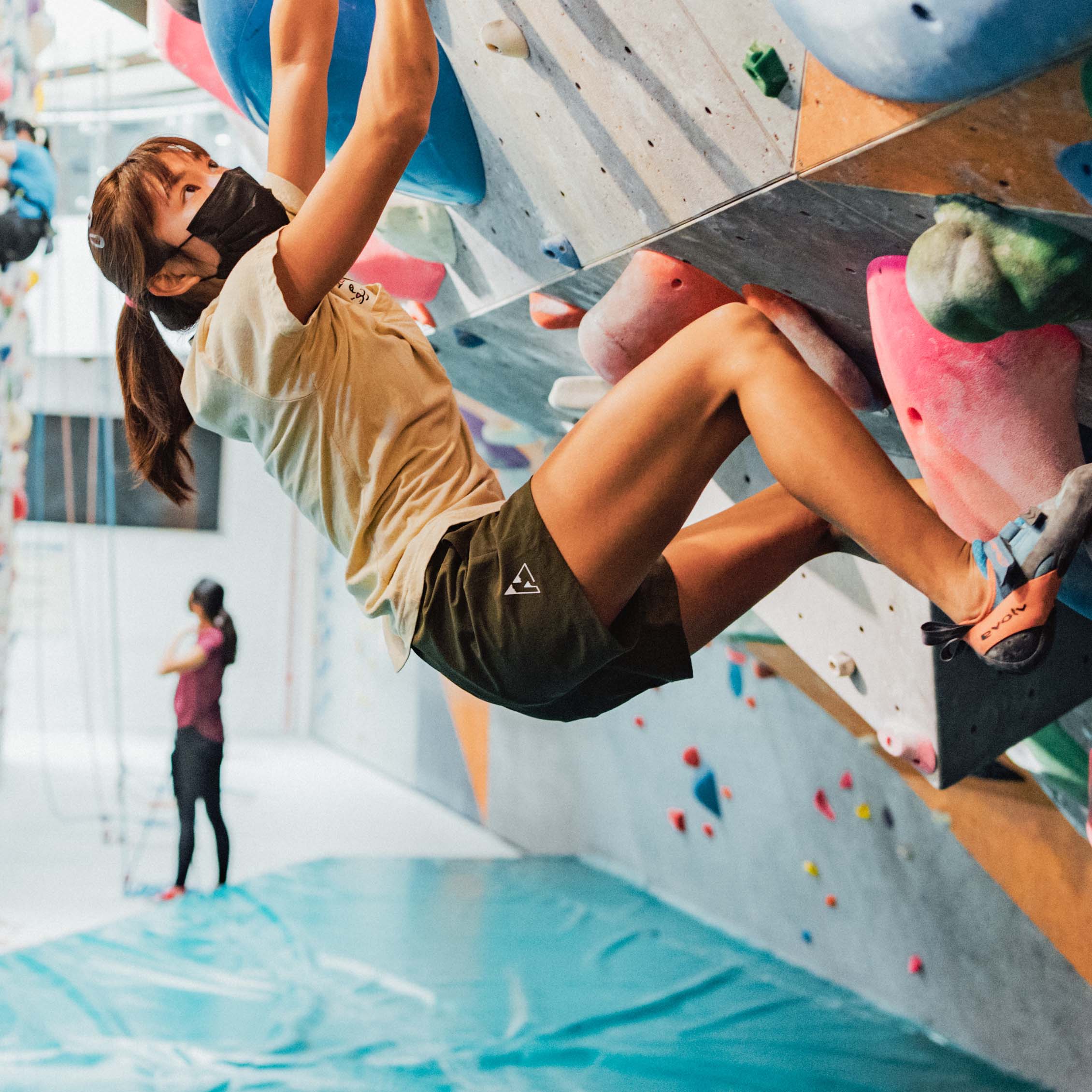
How to Improve Friction in Humid Climbing Gyms (Beyond Chalk)
If you climb in humid gyms, you already know chalk alone isn’t always enough. While choosing the right chalk helps, friction is affected by far more than what’s on your hands. In this guide, we break down practical ways to improve friction in humid climbing environments — beyond just adding more chalk.

Why Chalk Has Limits in Humid Conditions
Chalk absorbs moisture, but in high humidity, it saturates quickly. Once chalk mixes with sweat and skin oils, it can actually reduce friction instead of improving it. This is why climbers often feel like holds become slick after only a few moves.
Manage Skin, Not Just Sweat
Friction depends heavily on skin condition. Overly soft skin deforms on contact, while overly dry skin can crack and lose contact area. In humid gyms, the goal is balanced skin — firm enough to resist sliding, but supple enough to maintain surface contact.
File Calluses Regularly
Thick or uneven calluses trap moisture and reduce friction. Light, consistent filing keeps your skin smooth and better able to engage with holds. Avoid aggressive filing, which can leave skin raw and sensitive.
Wash and Dry Hands Properly
Oils and residue build up throughout a session. Washing your hands with mild soap removes oils that chalk alone cannot. Make sure hands are fully dry before chalking up again.

Improve Hold Interaction
Sometimes the problem isn’t your hands — it’s the holds. Humid air causes chalk residue and rubber buildup to cake onto hold surfaces, reducing usable texture.
Brush Holds Frequently
Brushing removes excess chalk paste and exposes the original texture of the hold. This improves friction for both you and other climbers on the wall.
Be Intentional with Hand Placement
In humid conditions, precise hand placement matters more. Adjusting your grip, engaging more surface area, or switching from an open hand to a half crimp can dramatically change how friction feels.

Control the Environment Where Possible
While you can’t change the weather, small environmental adjustments can help. Taking longer rests between attempts allows sweat to evaporate and skin to recover, improving friction on subsequent tries.
Time Your Attempts
Early sessions or off-peak hours often have lower ambient moisture and cleaner holds. If friction feels consistently poor, it may be the environment rather than your technique.
Putting It All Together
Improving friction in humid climbing gyms is about managing multiple variables — skin condition, hold cleanliness, technique, and environment. Chalk is just one tool in a larger system. By addressing these factors together, you’ll climb more consistently even when conditions are far from ideal.


Share:
How Often Should You Re-Chalk in Humid Gyms?
Why Your Skin Wears Faster in Humid Gyms