



Our Journal
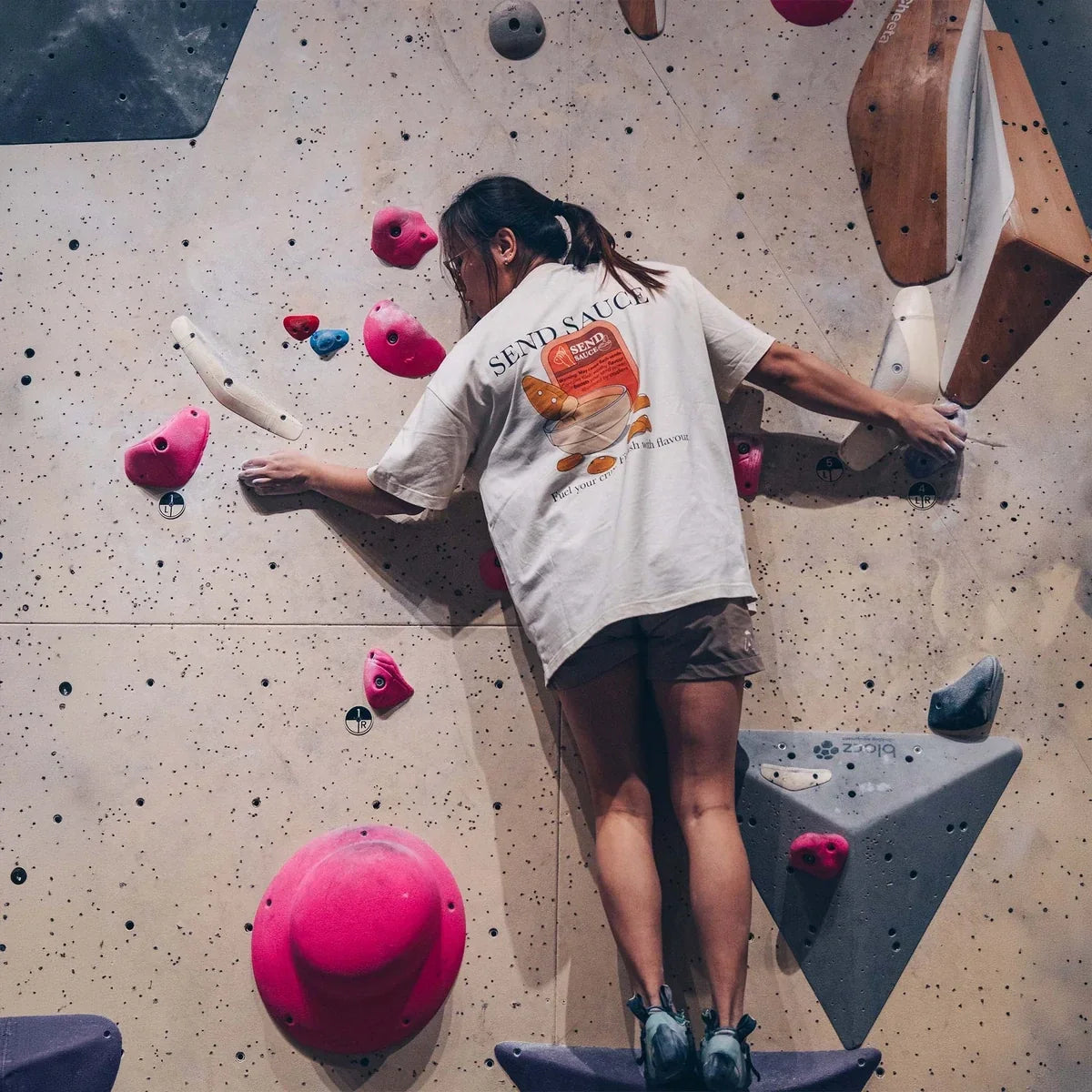
The Complete Guide to Climbing Training for Beginners
Most beginner climbing injuries happen because enthusiasm outpaces tendon adaptation. This complete guide covers how to train sustainably in your first year — structure, strength, recovery, and more.
Read moreabout The Complete Guide to Climbing Training for Beginners

Recognising and Preventing Common Beginner Climbing Injuries
Most beginner climbing injuries trace back to enthusiasm outpacing tendon adaptation. Here's how to recognise the most common ones early — and how to prevent them in the first place.
Read moreabout Recognising and Preventing Common Beginner Climbing Injuries

Finger Strength Basics: What Beginners Should (and Shouldn't) Do
Fingerboards are one of the most common beginner mistakes in climbing. Here's how finger strength actually develops in the early months — and why climbing itself is usually enough.
Read moreabout Finger Strength Basics: What Beginners Should (and Shouldn't) Do
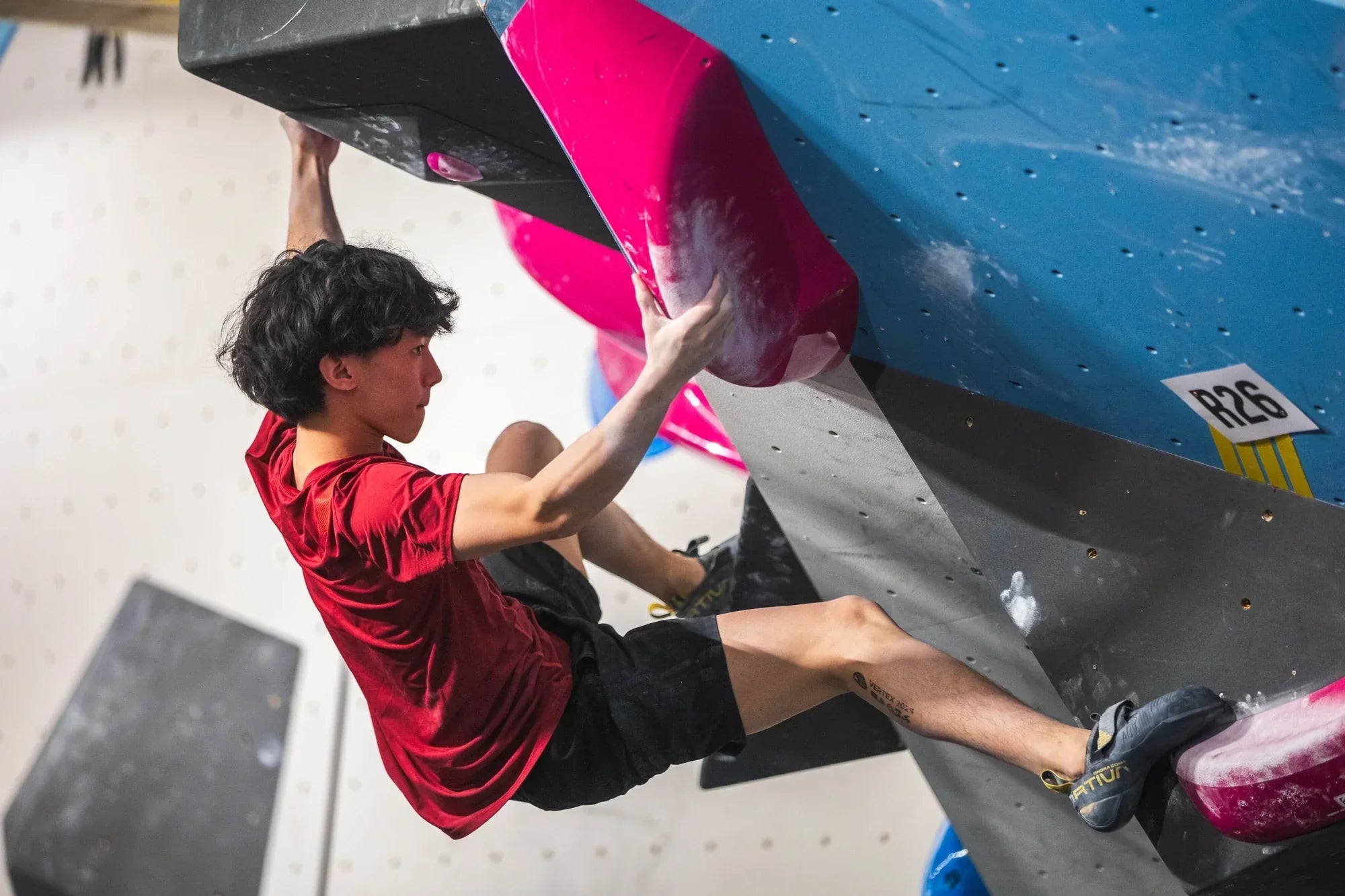
The Complete Beginner's Guide to Bouldering
No ropes, no harness, no partner required. Here's everything a beginner needs to know about bouldering — from your first session to reading problems like an experienced climber.
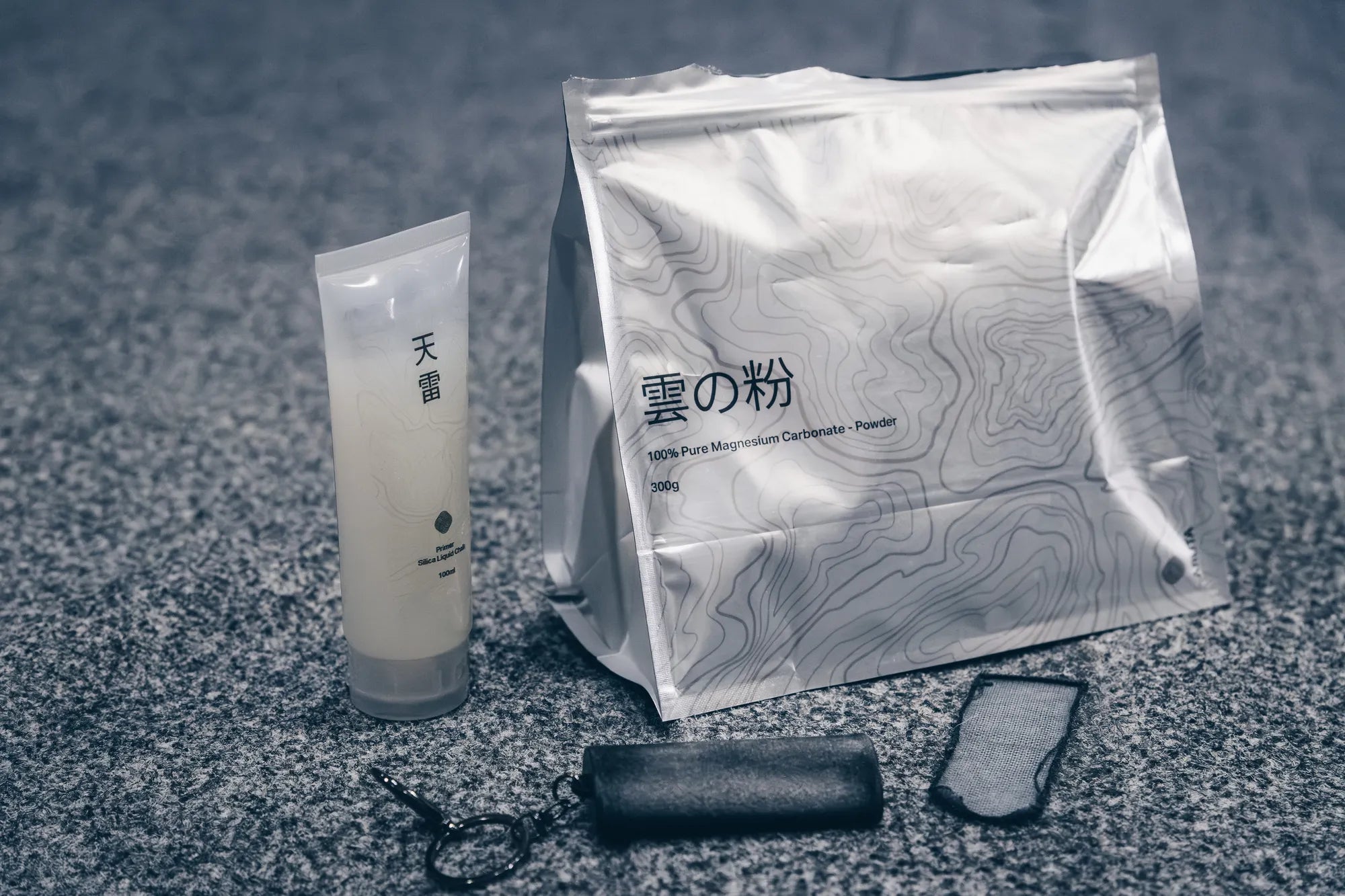
The Complete Guide to Climbing Chalk — Types, Uses, and How to Choose
Most climbers grab chalk without thinking about it. This complete guide covers what chalk is made of, how each format performs, and how to choose and use it for better grip and healthier skin.
Read moreabout The Complete Guide to Climbing Chalk — Types, Uses, and How to Choose
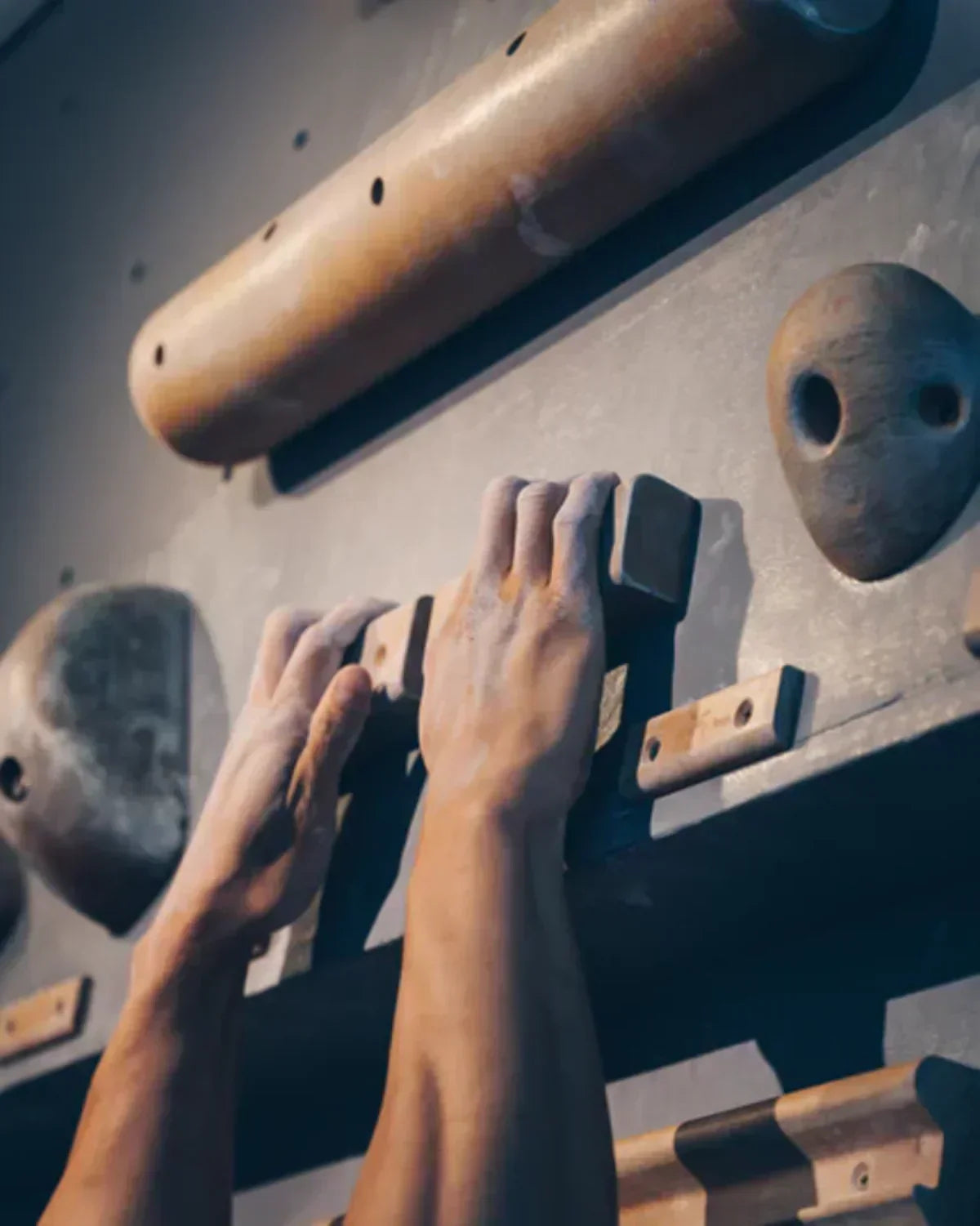
Is Too Much Chalk Bad for Your Climbing?
Over-chalking is one of the most common habits that quietly undermines grip. Here's why less chalk, applied deliberately, almost always outperforms more.
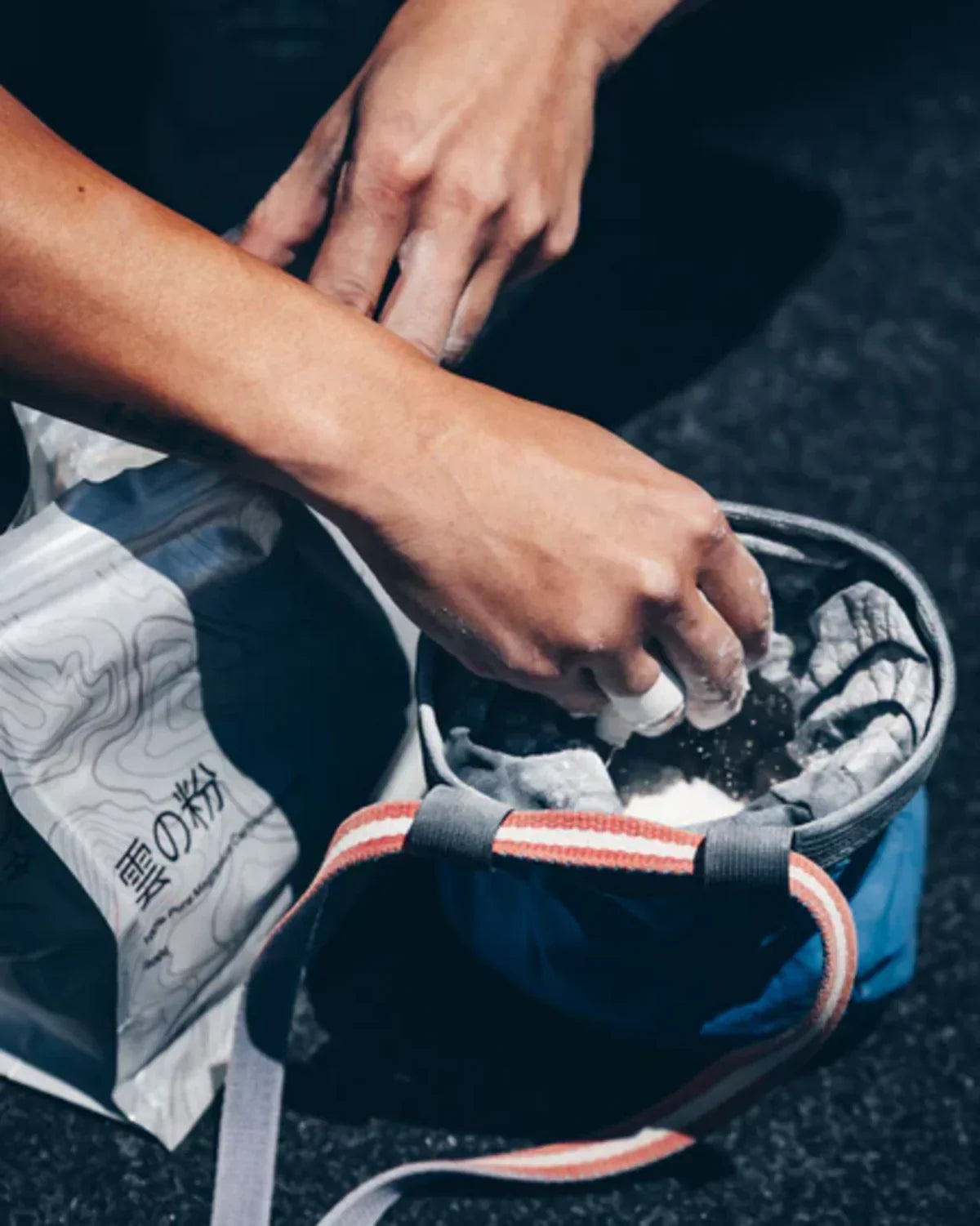
How to Choose Climbing Chalk for Your Skin Type
Not all hands are the same — and neither is chalk. Here's how to choose between powder and liquid chalk based on your skin type, and how to adjust when conditions change.
Read moreabout How to Choose Climbing Chalk for Your Skin Type

The Complete Guide to Climbing Skin Care in Humid Conditions
Most climbing skin advice is written for dry conditions. This guide covers everything — callus management, chalk use, moisturising, and recovery — adapted for humid gyms in Southeast Asia.
Read moreabout The Complete Guide to Climbing Skin Care in Humid Conditions

How to Recover Skin Between Back-to-Back Sessions
Back-to-back sessions are hard on skin in humid gyms. Here's how to recover properly — from post-session filing to overnight care and knowing when your skin is actually ready to climb again.
Read moreabout How to Recover Skin Between Back-to-Back Sessions