



Our Journal
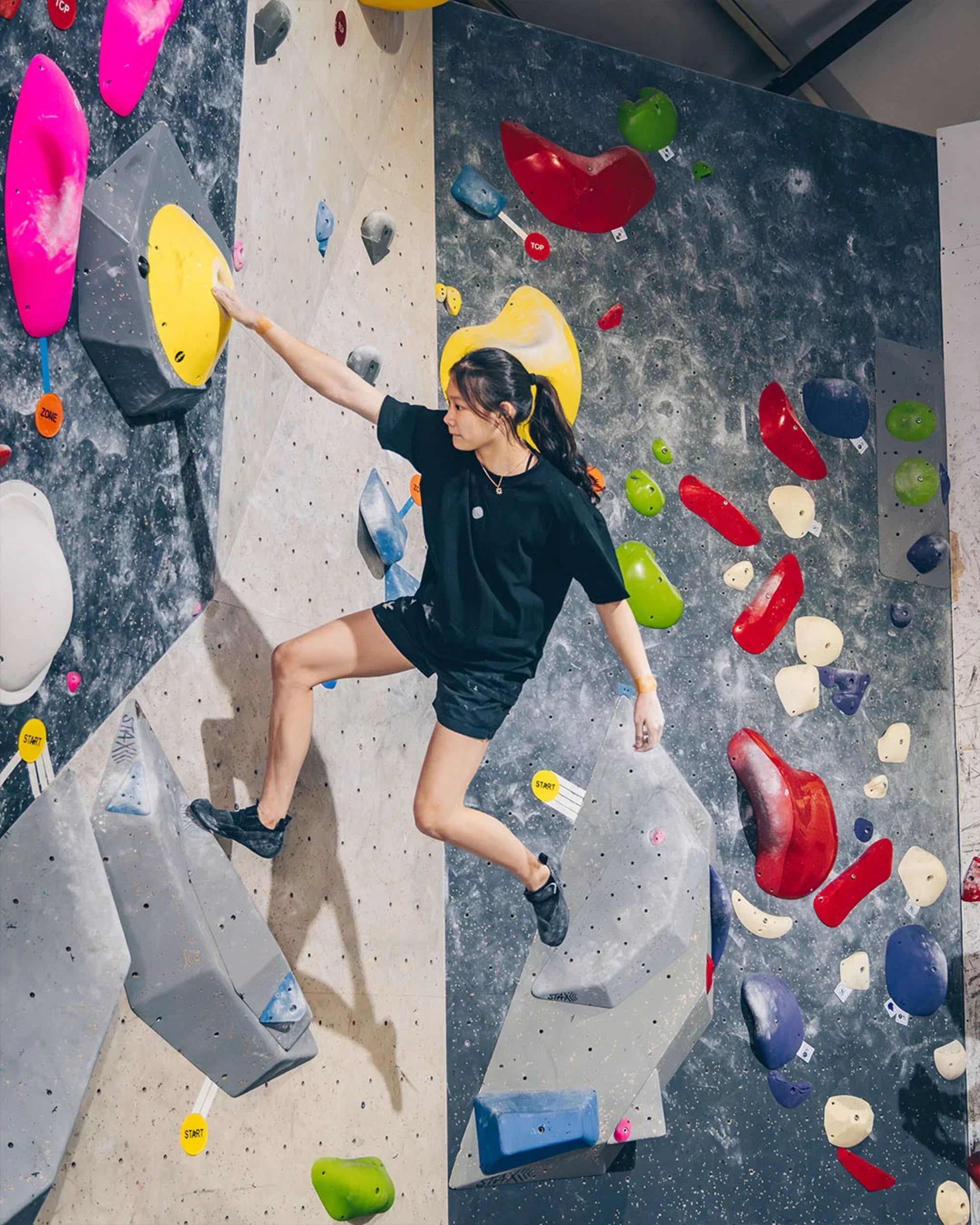
Bouldering Grades Explained: How the Rating System Works
Bouldering grades aren't a universal ranking system — especially in Singapore, where every gym uses its own colour or symbol scale. Here's what grades actually mean and how to use them as a beginner.
Read moreabout Bouldering Grades Explained: How the Rating System Works
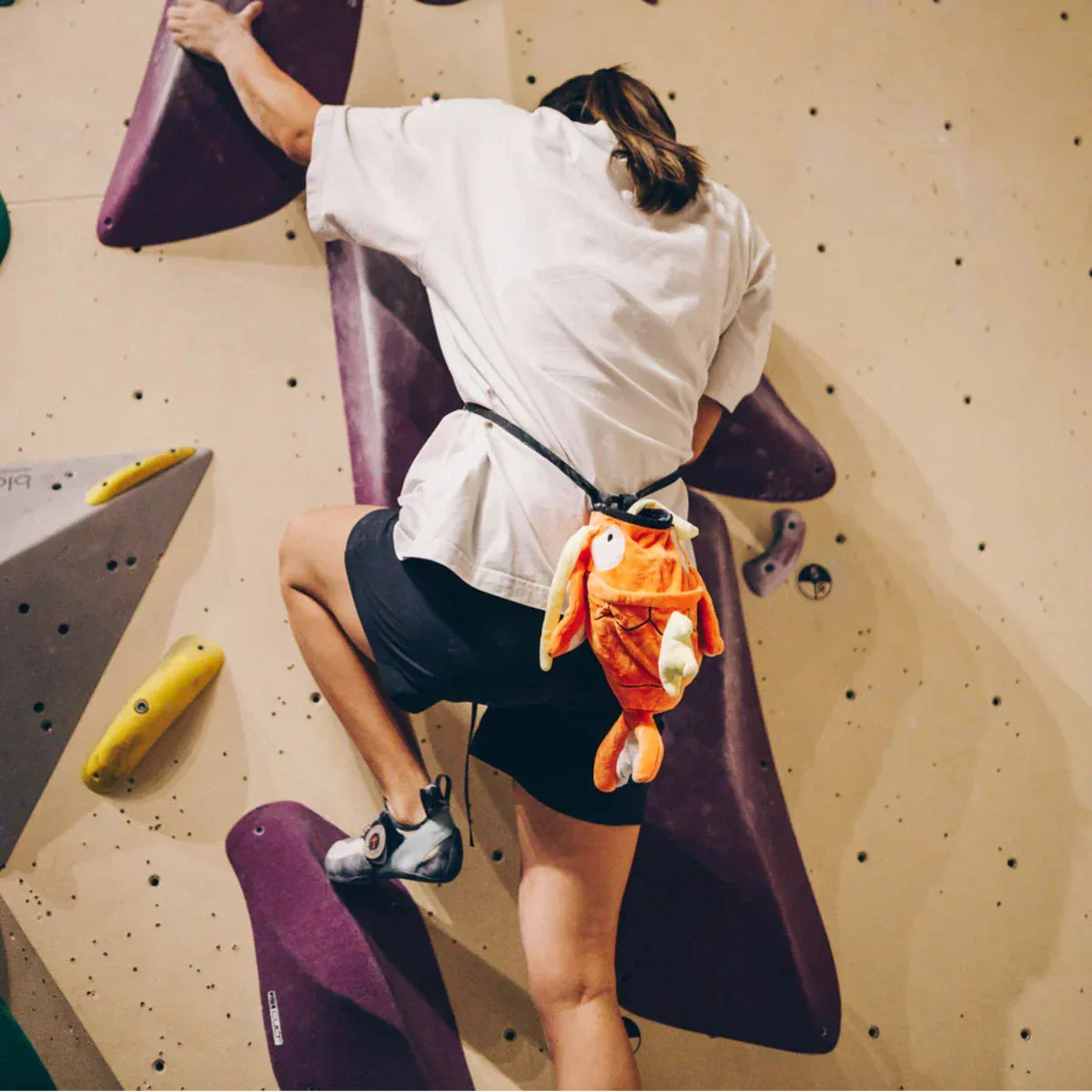
What to Expect at Your First Bouldering Session
Your first bouldering session will feel unfamiliar — forearms pump out fast, footwork feels wrong, and the gym has its own rhythm. Here's what to expect so you can focus on climbing.
Read moreabout What to Expect at Your First Bouldering Session
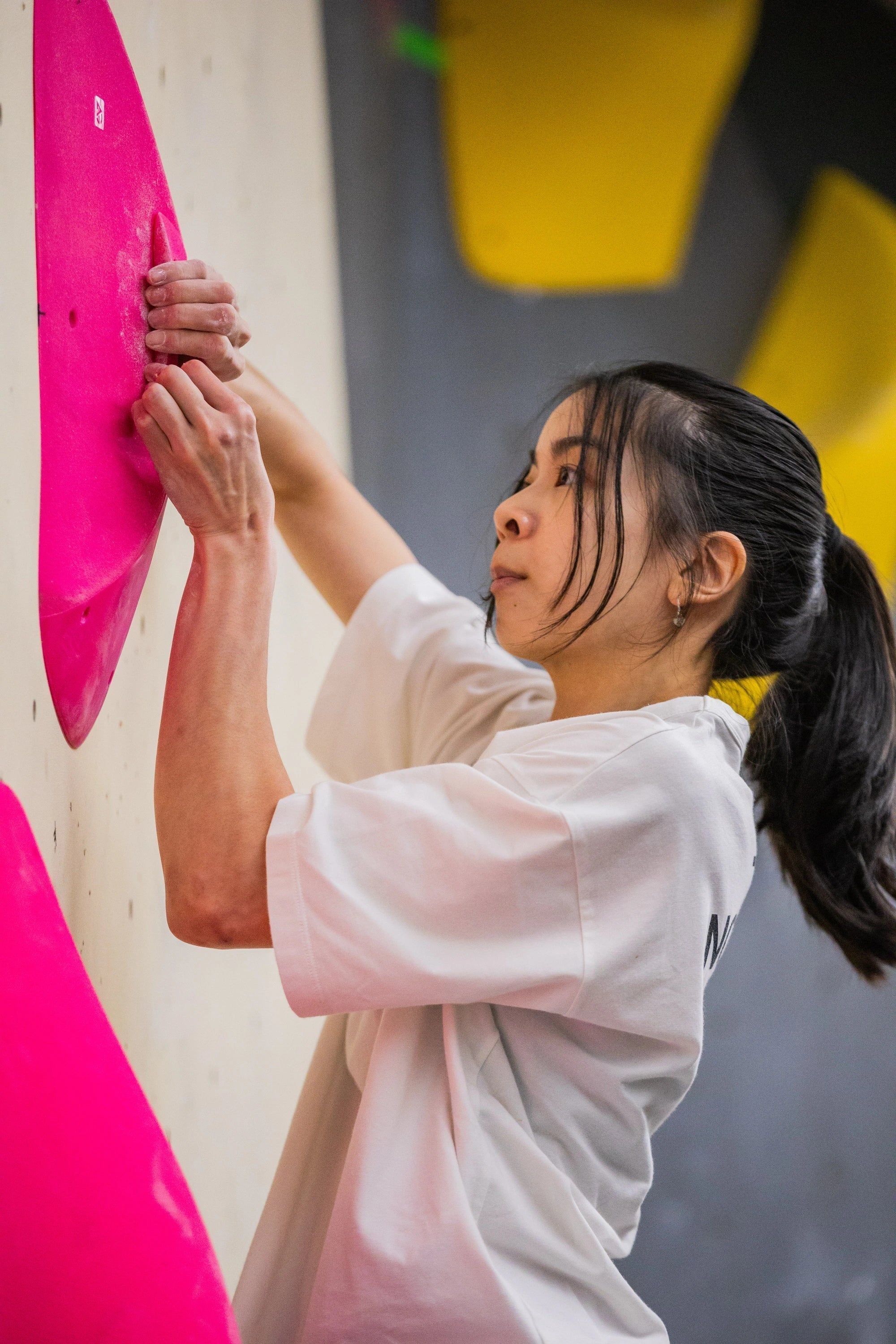
What Is Bouldering? How It Differs from Other Types of Climbing
No ropes, no harness, no partner required. Here's what bouldering actually is, how it differs from other types of climbing, and why it's where most people in Singapore start.
Read moreabout What Is Bouldering? How It Differs from Other Types of Climbing
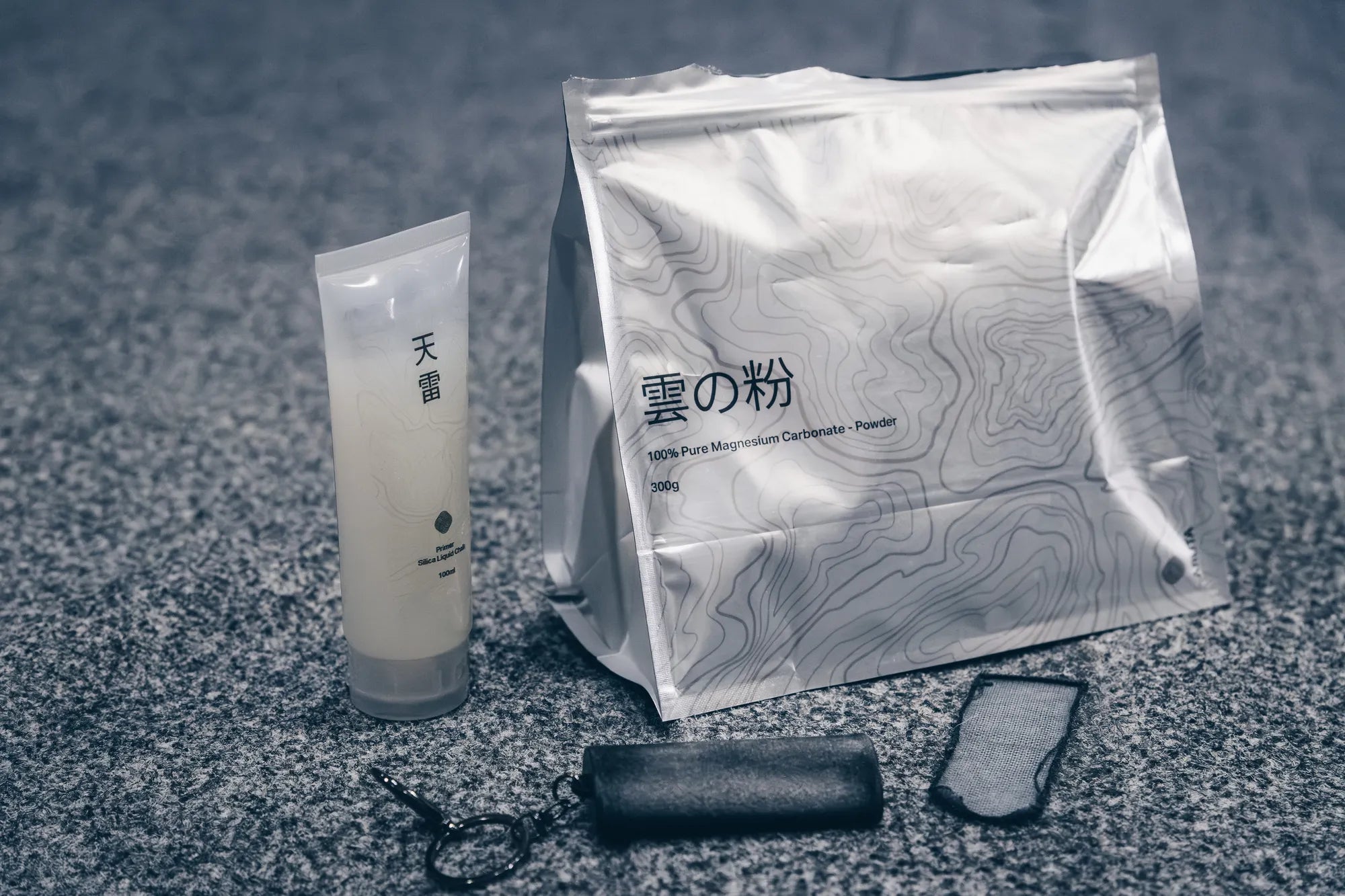
The Complete Guide to Climbing Chalk — Types, Uses, and How to Choose
Most climbers grab chalk without thinking about it. This complete guide covers what chalk is made of, how each format performs, and how to choose and use it for better grip and healthier skin.
Read moreabout The Complete Guide to Climbing Chalk — Types, Uses, and How to Choose
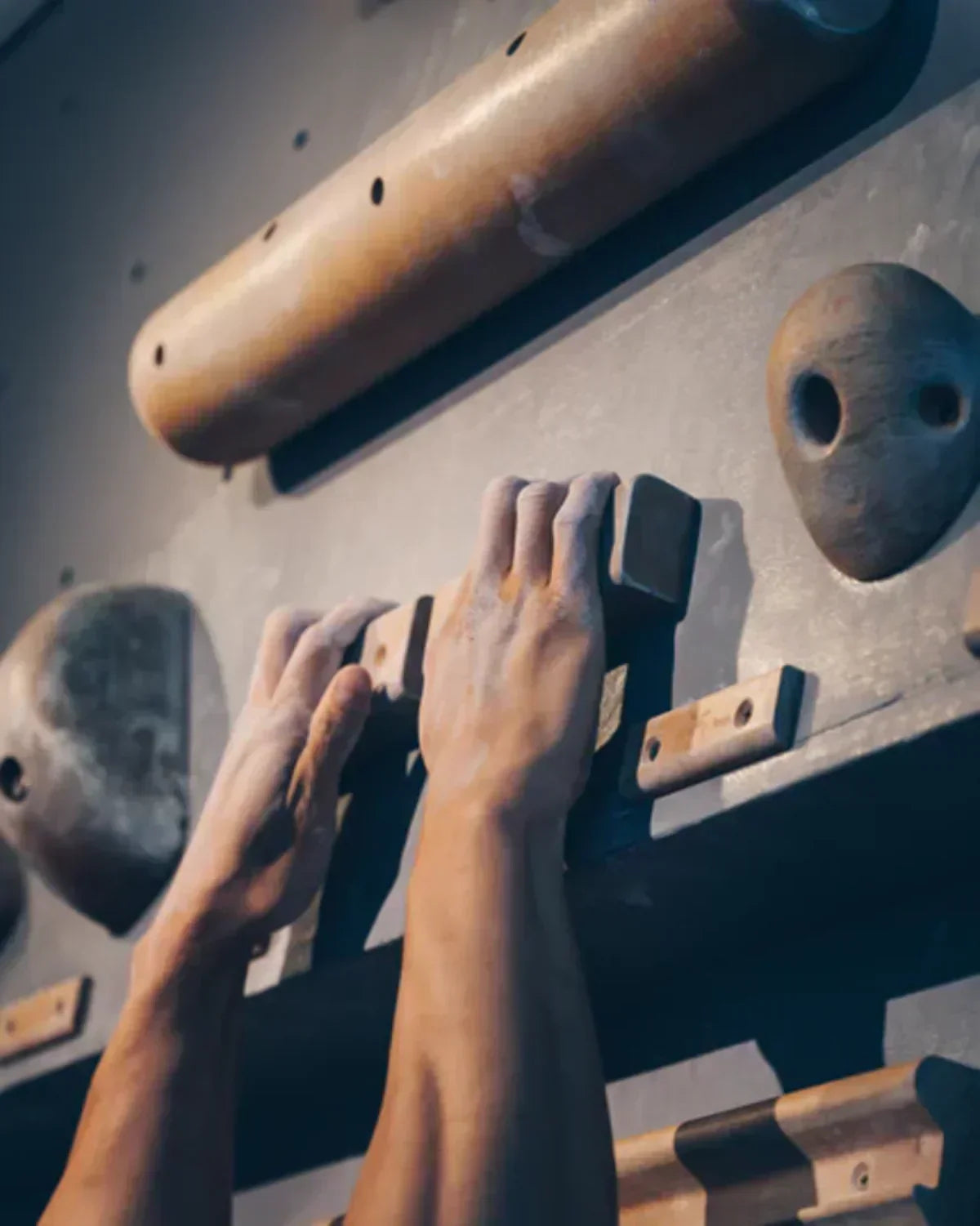
Is Too Much Chalk Bad for Your Climbing?
Over-chalking is one of the most common habits that quietly undermines grip. Here's why less chalk, applied deliberately, almost always outperforms more.
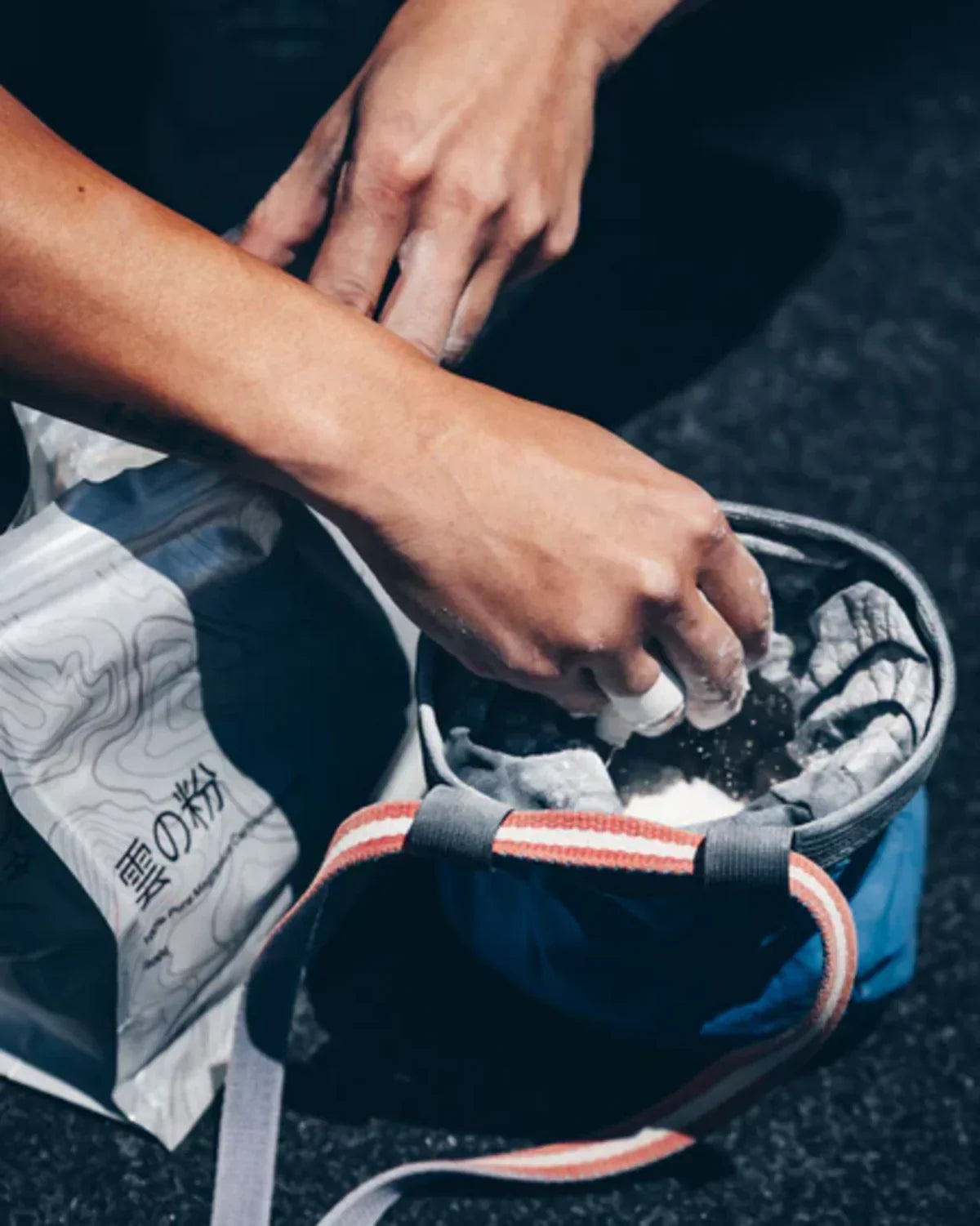
How to Choose Climbing Chalk for Your Skin Type
Not all hands are the same — and neither is chalk. Here's how to choose between powder and liquid chalk based on your skin type, and how to adjust when conditions change.
Read moreabout How to Choose Climbing Chalk for Your Skin Type
Does Climbing Chalk Expire or Go Bad?
Chalk doesn't expire, but it does go bad — especially in humid conditions. Here's how to spot degraded chalk and store it properly so it performs session after session.

Chalk Bag vs Chalk Ball vs Loose Chalk — Which Should You Use?
Not all chalk formats are equal — especially in humid gyms. Here's how loose chalk, chalk balls, and liquid chalk compare, and which combination works best for climbing in Southeast Asia.
Read moreabout Chalk Bag vs Chalk Ball vs Loose Chalk — Which Should You Use?
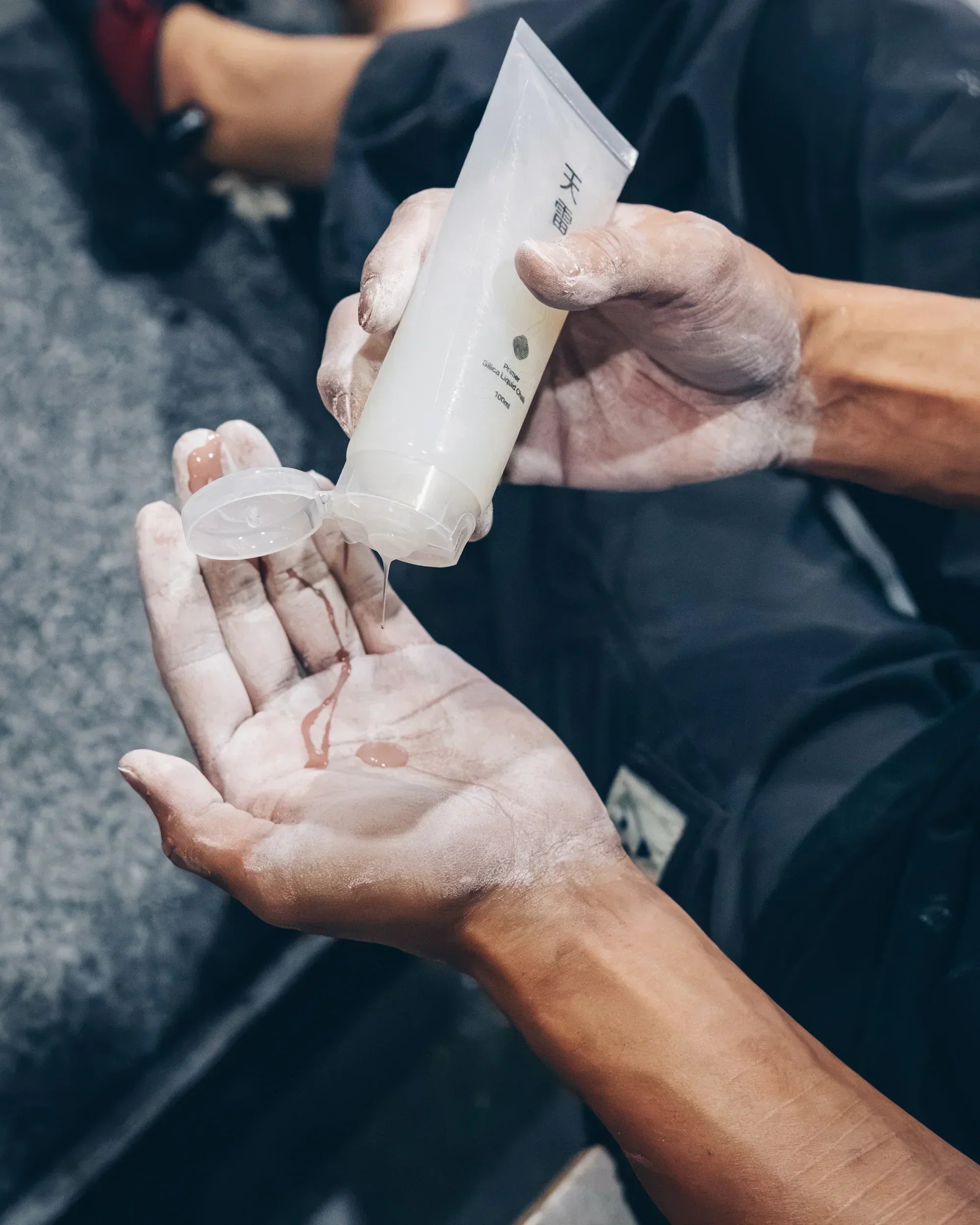
How to Use Liquid Chalk Properly for Climbing
Liquid chalk works best as a base layer — but most climbers use too much, don't wait for it to dry, or reach for it at the wrong moment. Here's how to use it properly.
Read moreabout How to Use Liquid Chalk Properly for Climbing